
Allocation
Alternative Asset Allocation: Which Sleeves Earn Their Place
Gold, REITs and commodities each do a different job in a portfolio. The case for each rests on mechanism, not promises.
October 24, 2026
Gold, REITs and commodities each do a different job in a portfolio. The case for each rests on mechanism, not promises.

Declaration, ex-dividend, record and payment dates decide who gets paid and when. Here is the sequence, and where investors most often get it wrong.
Home bias, currency risk, and market-cap weightings each argue for a different number. Here is how the frameworks compare.

Three Canadian small-caps published mechanical trading plans on October 18. The numbers are the easy part. The discipline around them is the lesson.

Bitcoin held near $83,450 while the broader altcoin market slipped, and derivatives data points to caution rather than collapse.
How the first cryptocurrency works, who bears its risks, and what its fixed supply and custody model actually mean.

Diversification spreads capital so no single asset decides the outcome. Learn why it works, where it stops working, and why concentration hides.

Rule-of-thumb stock and bond splits are a starting point, not an answer. Here is how to test them against your own goals and risk tolerance.

Dollar-cost averaging means investing a fixed amount on a fixed schedule. Here is how it works, why it builds discipline, and when it costs you.

Index funds aim to match the market rather than beat it. Here is why their low fees give them a powerful edge over decades of compounding.

A filter-first system for reading market news: what to check, what to skip, and how to keep headlines from driving trades.

Rebalancing restores a portfolio to its original target mix after market movements shift it away from plan — a distinct step from allocation and…
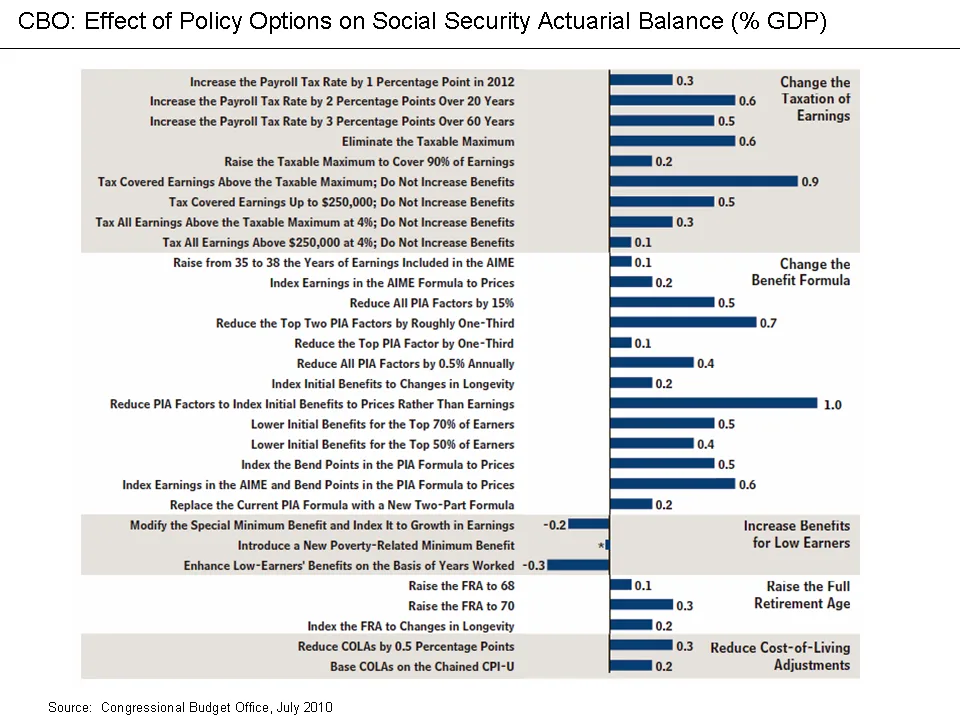
The average inflation rate hides what matters: groceries, rent, and insurance do not rise at the same speed.

The advertised rate is the headline. Access speed, fees, and how a bank has behaved when rates fall decide whether the account actually works.

The Bitcoin halving is a protocol rule that cuts the block subsidy in half roughly every four years, and in April 2024 it reduced new issuance from 6.25 to…
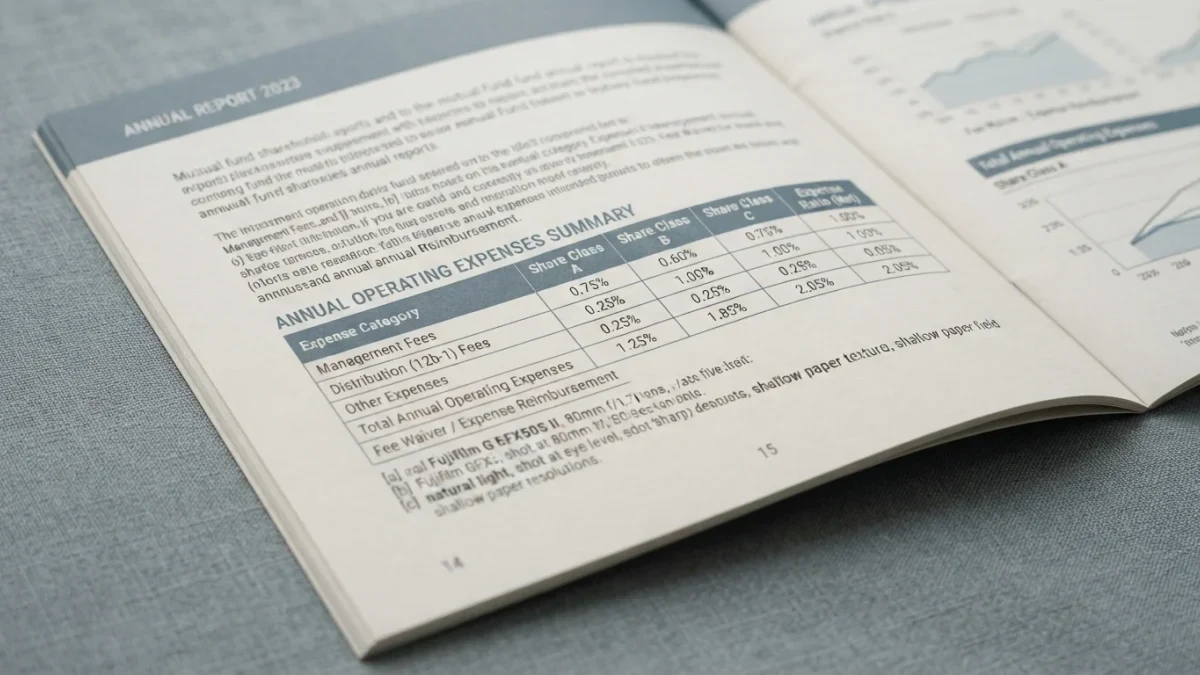
An expense ratio repeats every year on the entire balance, so its true cost is the forgone growth on every dollar deducted, not the headline percentage.

A correction is a 10 percent decline from a recent peak, and documented S&P 500 history shows how routine that threshold is.

The December 2025 CPI report showed 2.7 percent headline inflation and 2.6 percent core inflation, with shelter the largest monthly driver, per BLS data…