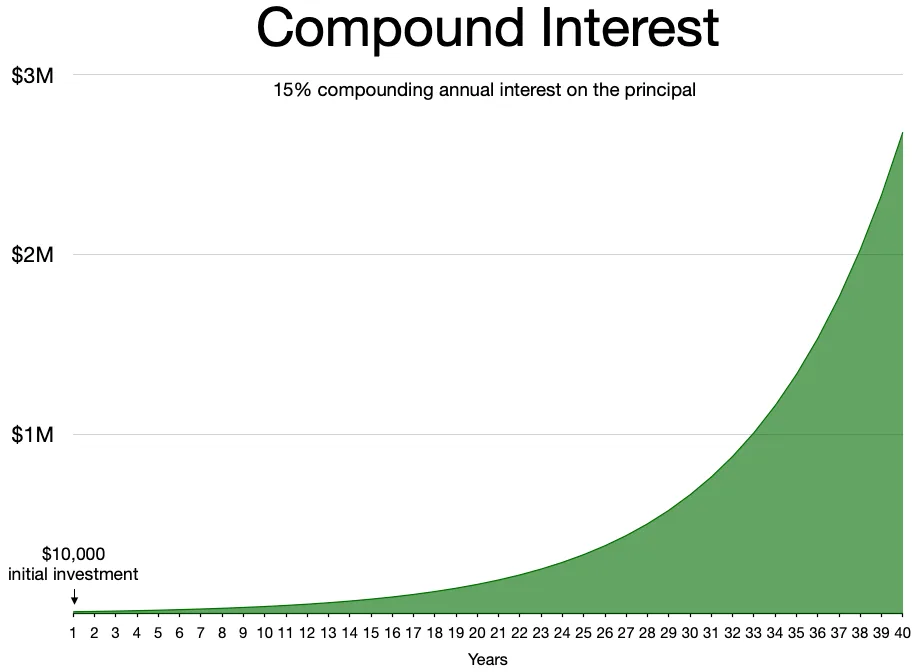

Before opening a high yield savings account, the uncomfortable question is this: what happens the month after the rate drops? The advertised annual percentage yield is a snapshot, not a promise. An account that looks strong today can quietly become an average one within a billing cycle, and the features that determine whether that matters — withdrawal access, fee structure, rate history — are rarely printed in the same font size as the rate itself.
A high yield savings account is a deposit account, typically at an online bank, that pays a noticeably higher interest rate than a standard branch savings account. The higher rate is the draw. Everything else about the account — how fast money moves, what it costs to keep, how the rate has behaved over time — is what this article covers, because those details decide whether the account fits a specific saver's circumstances. No single account suits everyone, and nothing here is advice on how much to hold in cash.
It helps to start with the word itself. High is a comparative term, not a fixed standard. Dictionary sources make the same point about the word's financial use: according to Dictionary.net, in finance "high" usually refers to peak prices or maximum values over a period — a description of where something sits, not a guarantee of where it stays. A rate described as high is high only relative to whatever it is being compared against, and that comparison changes as market rates move.
Why Is the Advertised Rate Not the Whole Story?
The rate on a savings account is a variable number. Banks set it, and banks change it. Online banks tend to pay more than branch banks because they carry lower overhead, which is a structural reason rather than a promotion. But the rate a bank pays this quarter is a business decision made in the context of its own funding needs, not a contractual commitment.
Two consequences follow. First, the rate that attracted an account holder can fall without notice, and the account holder has no contractual remedy. Second, competing banks adjust at different speeds. Two accounts offering the same rate today can diverge sharply over a year if one bank cuts quickly and the other holds. Rate-chasing without checking how a bank has historically adjusted its rate means repeatedly reopening accounts — effort that can erase the advantage the higher rate seemed to offer.
How Quickly Can Money Be Accessed?
Access speed is the criterion most often overlooked. An emergency fund exists to be reached quickly, so the mechanics of moving money matter as much as the interest it earns while waiting.
- Transfer timing. Moving funds between banks typically takes one to several business days. Some online banks offer faster external transfers than others, and the difference is worth testing with a small amount before the account is needed in an emergency.
- Withdrawal limits. Some accounts restrict the number of certain withdrawals per statement cycle or charge for excess transactions. The terms, not the rate, determine whether the account functions as a working emergency fund.
- Where the account sits. Keeping savings at the same bank as a checking account can simplify transfers, even if the rate there is slightly lower. The trade-off between rate and convenience is individual, not universal.
A practical step: open the account, link the external bank, and move a small test amount in both directions. This confirms the transfer timing and the withdrawal process before the account matters. It is the kind of check that takes minutes and prevents the most common failure mode — discovering slow access during the week it is needed.
What Do Fees and Minimums Do to the Real Return?
Fees convert a headline rate into a lower effective one. A monthly maintenance charge, a paper statement fee, or a penalty below a minimum balance can offset a meaningful share of the interest earned, particularly on smaller balances. The comparison that matters is net: rate minus costs, not rate alone.
Minimum balance requirements deserve the same scrutiny. Some accounts waive fees only above a threshold, which makes the account effectively different for a saver below that threshold than the advertised terms suggest. Reading the fee schedule — the boring document, not the landing page — is where this information lives.
How Should Rate-Drop History Be Judged?
A bank's past behavior when market rates fell is one of the few forward-looking signals available, and it is imperfect. Some banks cut savings rates quickly and deeply when their funding costs fall; others hold rates to retain deposits. Neither approach is wrong. But the pattern tells a saver what to expect.
Three things to look for in a bank's rate history:
- Direction and speed. Did the rate fall promptly when market conditions changed, or did it hold for a while?
- Proportion. Did cuts roughly track the change in the bank's own funding environment, or did they overshoot it?
- Consistency. Has the bank's rate stayed competitive relative to comparable online accounts over time, or has it spiked briefly and then lagged?
The limitation is real: history describes one bank's past decisions, not its future ones. Management, funding needs, and market conditions can all change. Rate history is evidence to weigh, not a forecast.
What This Means for Choosing an Account
Our analysis of how these criteria interact: the rate determines the ceiling of what an account earns, but access speed, fees, and rate behavior determine the floor of what it delivers. A saver who values the account mostly as an emergency fund should weight access and fees heavily, because the account's job is availability. A saver parking a larger, rarely-touched balance can weight the rate and its history more, because access matters less and fee drag on a large balance is smaller in proportion.
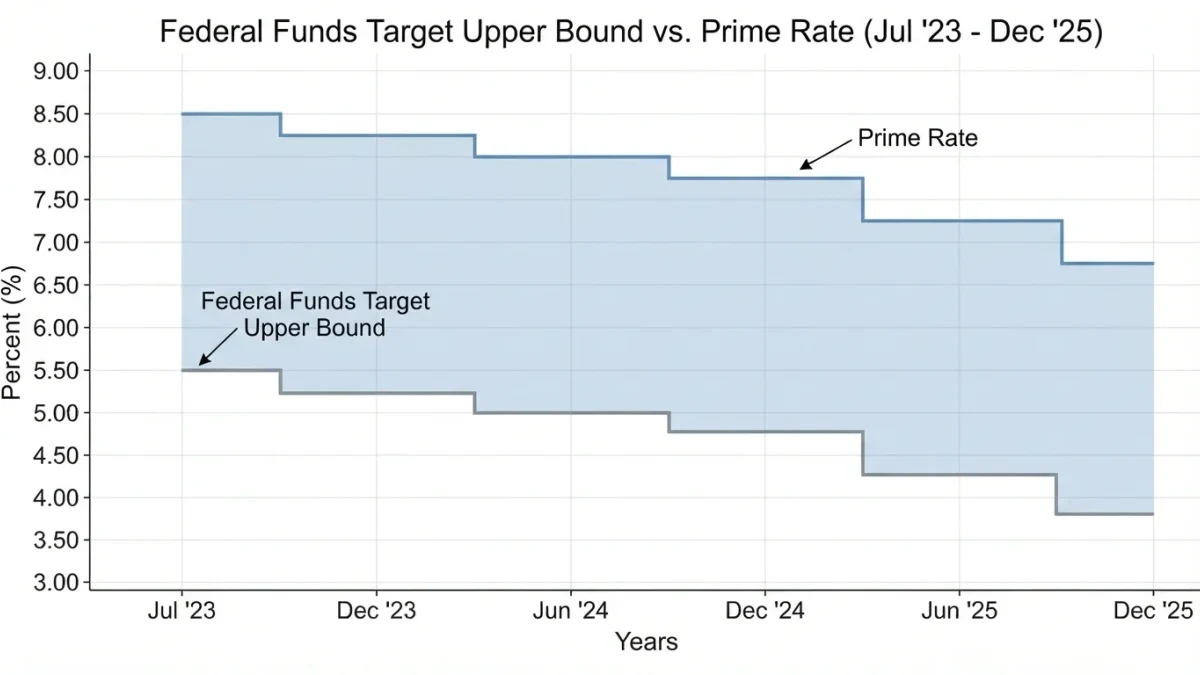
This connects to the broader picture of bank economics. The reason rates differ at all is that banks earn a spread between what they pay depositors and what they earn on lent or invested funds — the mechanics are covered in How Banks Actually Make Money: Behind the Counter. Understanding that spread explains why online banks can pay more and why savings rates move when central-bank policy does, a relationship explored in Prime Rate vs. Fed Funds Rate: How They Differ.
For readers building this into a wider framework, cash accounts are one sleeve of a larger structure. How such accounts fit alongside invested assets is an allocation question, covered in the site's allocation section, and the general logic of holding different purposes in different vehicles is a core part of investor education rather than a single-product decision.
The Limits of Any Savings-Account Comparison
The evidence supports a narrow conclusion. Comparing high yield savings accounts on rate alone is incomplete; access speed, fee structure, minimums, and a bank's documented rate behavior all change the real outcome. What remains unknown is the future path of rates themselves. No comparison of current terms predicts what any bank will pay next year, and no rate history guarantees future behavior.
That uncertainty is the honest limit of this exercise. The defensible position is to choose an account whose non-rate terms work even if the rate becomes ordinary — and to treat any current rate advantage as a bonus that may not persist. This article is educational and not investment advice; the right cash position depends on individual circumstances that no general comparison can know.