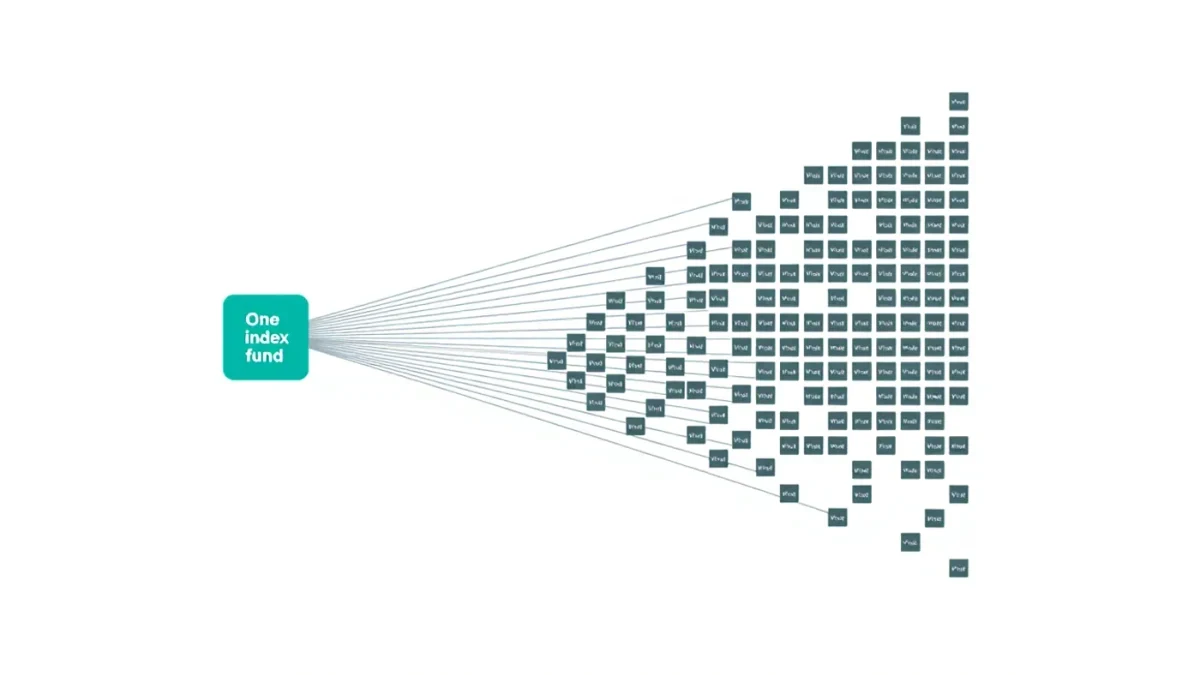

Index funds are one of the simplest ways to invest, yet many new savers find them confusing. The idea is easy to grasp. Instead of trying to pick winning stocks, you buy a small slice of an entire market at once.
This guide explains what index funds are, why their low fees matter so much, and how they earned a place in millions of long-term portfolios. The math behind that edge is simple, and it rewards patience.
What Is an Index Fund?
An index fund is a mutual fund or exchange-traded fund that aims to copy the performance of a market index, such as the S&P 500. According to Wikipedia's overview of index funds, a fund does this by holding the same securities as the index, in the same proportions. The goal is to match the market, not to beat it.
This style is called passive management. No star manager picks stocks. The fund mirrors its benchmark and works to keep costs and tracking error low. Because the job is fixed, the fund's holdings are easy to check.
The scale of this idea is hard to overstate. Wikipedia notes that in the United States, there was $22 trillion invested in index funds as of May 2026.
Why Fees Decide the Race
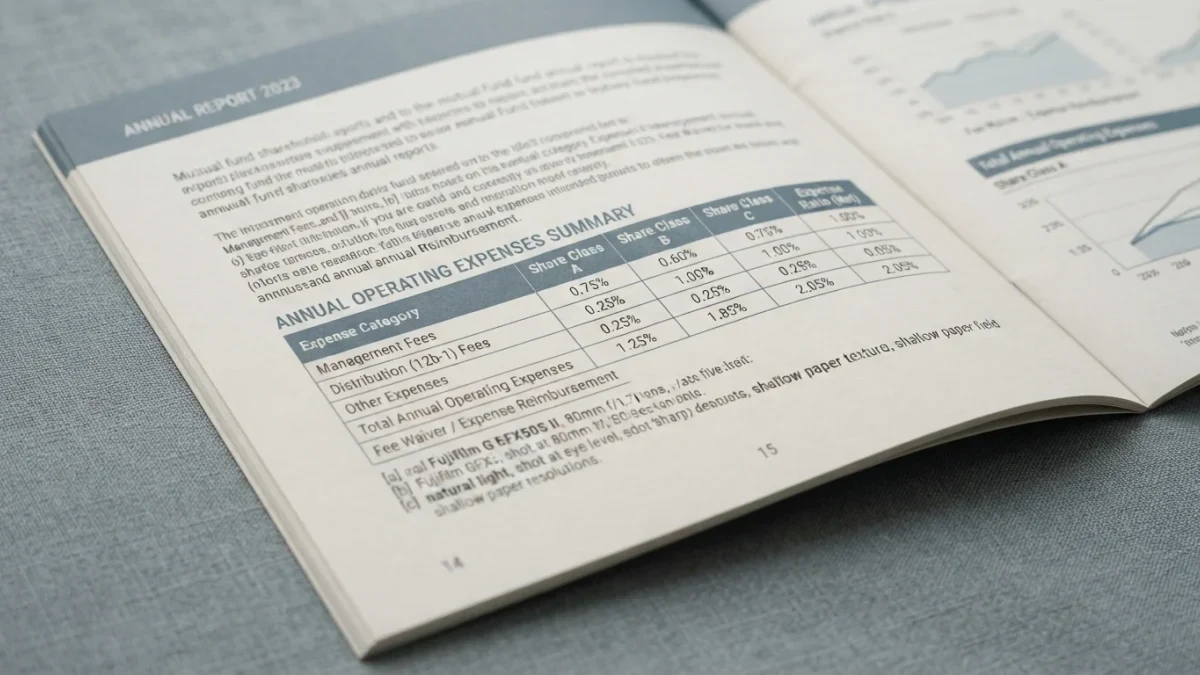
Every fund charges running costs, and they show up in one number: the expense ratio. As Wikipedia's expense ratio page explains, it is the percentage of fund assets used each year for management, administration, promotion, and other expenses. An expense ratio of 1% per annum means that each year 1% of the fund's total assets go to cover those costs.
A small gap in fees grows into a large gap in wealth. The same source warns that over time, a high expense ratio can significantly affect a fund's overall returns. Index funds keep this number low because their task is known in advance. The target index is a known quantity, so there is far less research and trading to pay for. Readers following this should also see Total Return vs. Price Return: What the Gap Means.
A Short History of the Idea
Credit for bringing index funds to everyday savers goes to John Bogle, who founded The Vanguard Group in 1974. According to Wikipedia, Bogle launched the First Index Investment Trust on December 31, 1975. It tracked the S&P 500 and was later renamed the Vanguard 500 Index Fund.
Rivals mocked the fund at launch and called it "Bogle's folly." It started with about $11 million in assets. By November 1999, it held $100 billion. Matching the market, it turned out, beats most funds that try and fail to beat it.
The Advantages That Compound
- Low costs: running a fund that mirrors a fixed list of holdings costs less than paying for active stock picking.
- Simplicity: once you know the target index, you know exactly what you own.
- Low turnover: less trading means lower costs, and fewer taxable gains passed on to investors.
- No style drift: the fund cannot wander from its stated style, so your mix stays as planned.
What to Watch For
No product is perfect. Index funds must rebalance when an index changes, and those large forced trades can move prices. There is also tracking error, which is the gap between fund returns and index returns. Wikipedia notes that popular S&P 500 funds can track their index within about 0.01%, while funds in less liquid markets can drift further.
Conclusion
Index funds win over decades for one plain reason. Their fees are low, and low fees leave more of every return in your pocket. They will never beat the market, because they are built to be the market. For most long-term savers, that trade has been very hard to beat. Check the expense ratio before you buy, keep the habit steady, and let time do the work. This connects to our earlier piece, How Expense Ratios Compound Over Time.
This article is for education only. It is not financial advice. Talk to a licensed professional before you invest.