
The U.S. Dollar Index (DXY) traded below the 100 mark through early 2026 after falling roughly nine percent during 2025, per MUFG Research's G10 currency outlook published December 19, 2025. A first-quarter 2026 recovery stalled near the 100 level, per Westpac analysis dated April 21, 2026, which described the dollar's gains into March as narrow.
Currency index levels describe past exchange-rate movement; they imply nothing about what any reader should trade, and this coverage explains what the gauge measures.
What is the Dollar Index, and what does it measure?
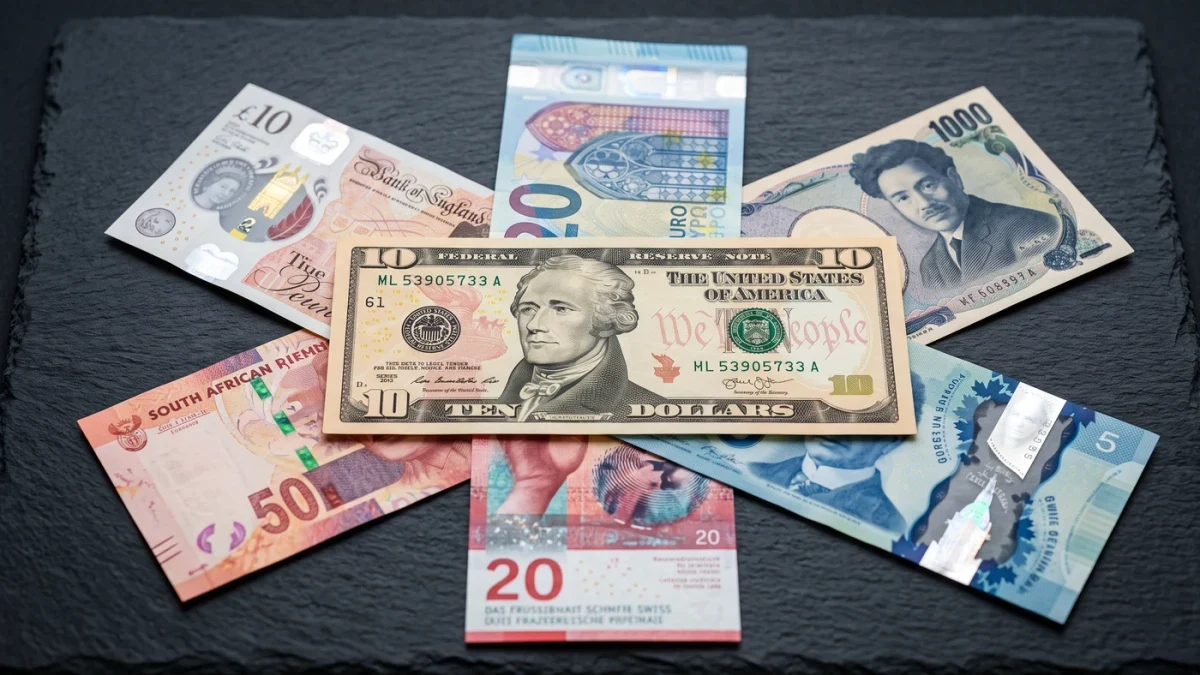
The DXY measures the dollar's value against a basket of six currencies, weighted per the index methodology: euro 57.6 percent, Japanese yen 13.6 percent, British pound 11.9 percent, Canadian dollar 9.1 percent, Swedish krona 4.2 percent, and Swiss franc 3.6 percent. The index was set to 100 in March 1973, so a reading near 100 means the basket trades close to its historical base value.
Because the euro carries nearly three quarters of the effective weight when cross-correlations are counted, the index moves largely with euro-dollar. It is a relative-strength gauge for the dollar against major trading partners, not a measure of the dollar's domestic purchasing power.
What moved the dollar in late 2025 and early 2026?
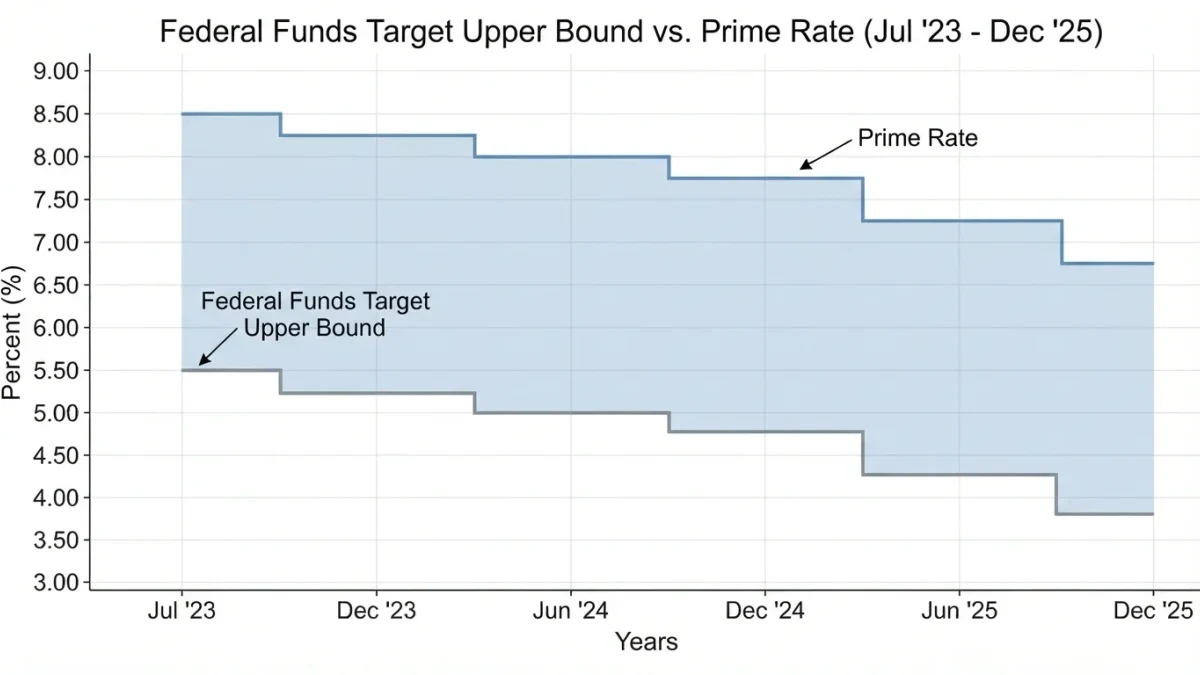
Rate differentials were the central driver. The Federal Reserve cut the funds rate three times in late 2025 — effective September 18, October 30, and December 11 — taking the target range to 3.50 to 3.75 percent, then held that range on January 28, 2026, per Federal Reserve statements. Narrowing yield advantages over other currencies accompanied the 2025 index decline documented by MUFG Research.
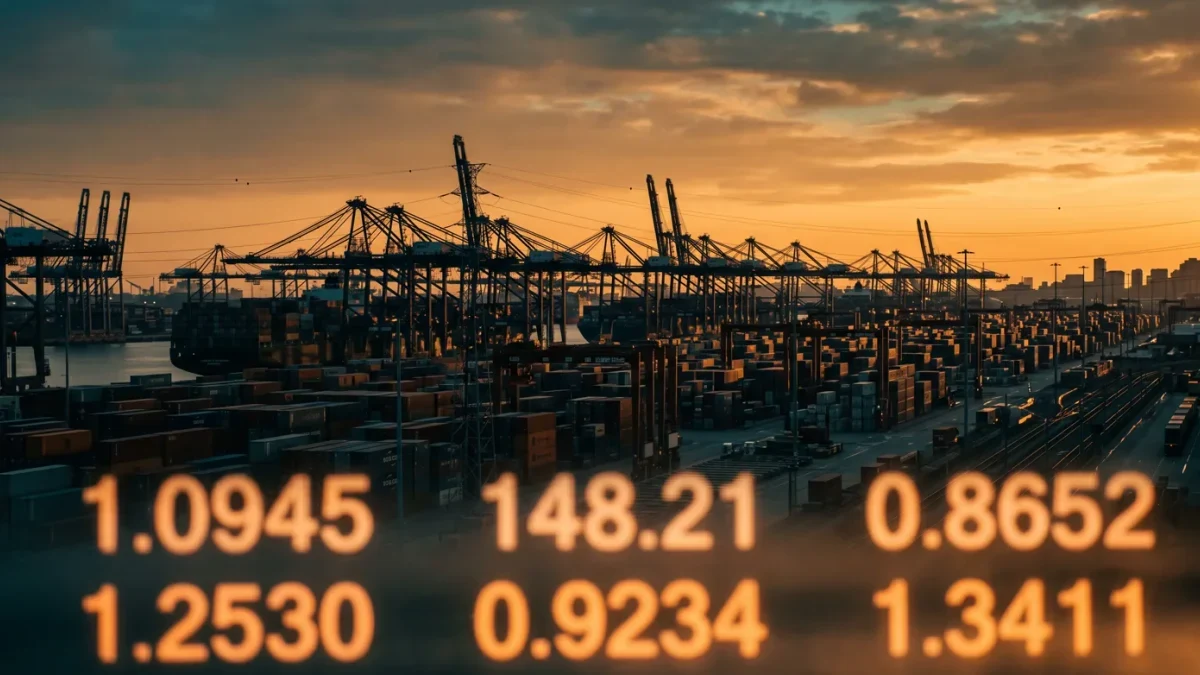
In 2026, the yen remained the soft leg of the basket, with dollar-yen near 153.80 in late April 2026, per market data compiled by BitMEX Research. MUFG's December 2025 outlook characterized the environment as a post-peak dollar world, a framing other bank desks contested; the site presents both as documented views, not forecasts of its own.
What do DXY moves signal?
Three documented links matter for readers. A weaker index reading tends to lift the dollar value of overseas earnings for U.S. companies and lower import costs for foreign goods priced in other currencies. A stronger reading works in the opposite direction. And because the index is euro-heavy, it can diverge from trade-weighted measures that include China and Mexico, which is why analysts read it alongside broader dollar gauges rather than in isolation.