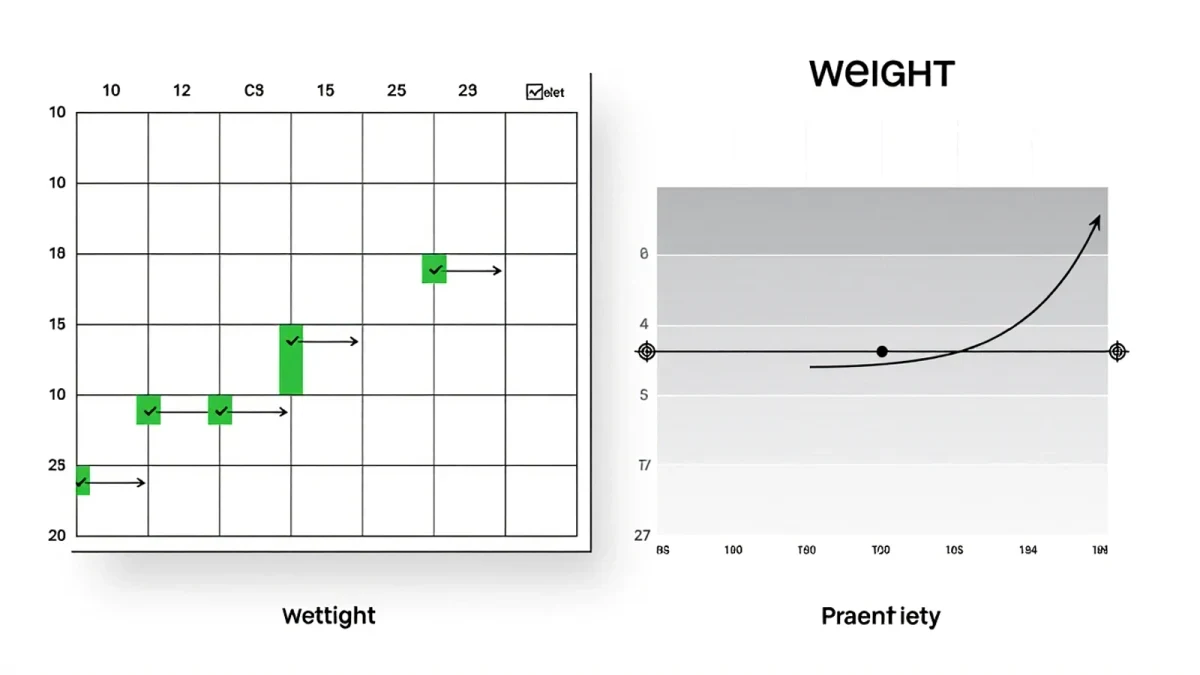

Threshold rebalancing is the practice of resetting a portfolio only after weights drift a set percentage from target. Calendar rebalancing resets those same weights on a fixed schedule, such as every six or twelve months. Both pursue one goal. Vanguard's research frames that goal as minimizing risk relative to a target asset allocation, not maximizing returns. Modeling a stock-and-bond portfolio from 1926 through 2014, its analysts found no optimal frequency or threshold.
The rule a portfolio follows shapes its trading costs, its taxes, and how far its risk can wander. An age-based allocation sanity check guide shows how targets themselves move across a lifetime. The reset rule deserves a definition before drift begins.
Rebalancing is one piece of a larger task: holding a mix of assets and keeping that mix intact. The allocation hub gathers the reference pages on methods, drift, and structure.
Why Portfolios Drift
Asset classes rarely return the same amount in the same year. When stocks outrun bonds, the stock share swells without a single trade. Drift is not a sign of error; it is the normal output of markets doing their work. Wikipedia's finance reference calls rebalancing the work of bringing a drifted portfolio back in line with its target. The usual route is selling the overweight class and buying the underweight one. Fresh contributions can serve instead by flowing into whichever class sits below target.
How the Calendar Method Works
A calendar rule acts on dates, not on data. The SEC's investor bulletin describes the common version as a reset at a regular interval. Six or twelve months is the pattern the bulletin names. The calendar itself serves as the reminder to review. Nothing needs to be measured between dates. The bulletin adds a caution that covers both methods. Each reset can carry transaction fees and tax consequences. Rebalancing, it notes, tends to work best on a relatively infrequent basis.
How the Threshold Method Works
A threshold rule acts on data, not on dates. The Vanguard paper describes a threshold-only strategy. It triggers a trade when a portfolio drifts a set minimum from target, such as 1%, 5%, or 10%. Drift can appear on any day, so the paper notes that this approach requires daily monitoring. A hybrid version, time-and-threshold, checks on a schedule. It trades only when the band has been broken.
What the Evidence Shows
Vanguard's backtest used a mix of half global stocks and half global bonds. The period ran from 1926 through 2014. Risk-adjusted returns barely differed across monthly, quarterly, and annual schedules. Trade counts, however, rose sharply with frequency. The firm's conclusion pointed to annual or semiannual monitoring with a 5 percent threshold. That mix balances risk control against cost for broadly diversified stock and bond portfolios. Annual resets are likely preferable where taxes or heavy time costs apply.
Choosing Between the Two
Each method buys a different kind of discipline. A calendar is cheap to run and easy to follow. It can reset a portfolio that barely moved. It can also miss one that moved a great deal between dates. A band responds to what actually happened. Yet it demands steady attention or an automated monitor. A quiet stretch can leave drift in place for years. Many plans blend the two, checking on dates but acting only on breaks. On the published evidence, neither method holds a return edge. Readers following this should also see Alternative Asset Allocation: Which Sleeves Earn Their Place.
Conclusion: The Difference Is the Trigger
Calendar and threshold rebalancing aim at the same target. Both want a portfolio whose risk stays where its plan set it. The calendar method trades on time and wins on simplicity. The threshold method trades on drift and wins on speed. Its price is steady monitoring. Vanguard's long-run analysis found no meaningful risk-adjusted gap between frequencies. Costs, taxes, and monitoring capacity remain the practical grounds for the choice.